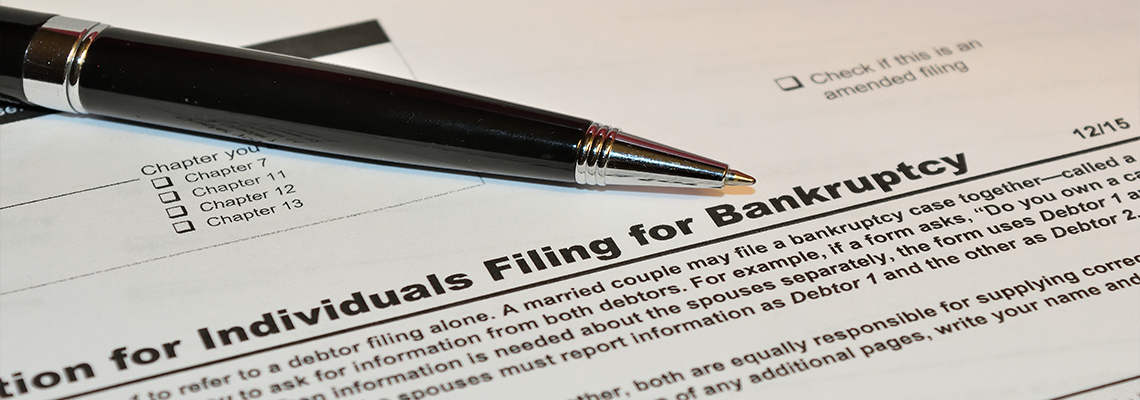
If you are drowning in debt and unable to pay off your bills, those persistent calls and threatening letters from creditors and debt collectors are not making your life easier. Creditor harassment is a real thing, and it can do significant damage to your emotional and psychological health.
For many people, the process of estate planning begins and ends with the creation of a last will and testament. Taking care of their family and loved ones is often the primary goal of people’s estate planning.
When going through financial hardship, filing for bankruptcy is among the promising options to achieve financial relief. Depending on your unique circumstances, you may be able to settle your debts and get the financial "fresh start" you deserve by filing for Chapter 7, Chapter 13, or Chapter 11 bankruptcy.
We’re all familiar with the need to leave directions in a will for the care of our loved ones when we pass away, but we often tend to overlook how we wish for our remains to be disposed of, probably because it’s a sensitive and uncomfortable subject.
When going through financial distress, filing for bankruptcy is among the promising solutions to remedy your financial situation. However, there is misleading information out there surrounding the bankruptcy process.
Small-business owners and owners close to retirement have an obligation to plan for their own and their employees’ future with the company. Business succession planning helps reach their goals for success. Business succession allows operators to leave the company with minimal issues.
If you feel overwhelmed and drowning in debt, you might be contemplating filing for bankruptcy. Many people who struggle with debt get caught up in what they believe to be true about bankruptcy.
The concept of estate planning is fairly straightforward—it involves the planning of your future and how your financial and physical assets will be dispersed to your loved ones after you’re gone.
If you are in financial distress, receiving countless calls from debt collectors, and feel unsure about how to pay back your creditors, you might be wondering, “Should I file for bankruptcy?” Filing for bankruptcy is a serious decision that can entail long-term consequences for you and your family.